Sugar beet vs sugar cane: Which is more suitable for sustainable energy production through biofuel?
Unpacking Sugar Beet Vs Sugar Cane: Necessary Information on Their Uses and Effect On the Sugar Market
The difference between sugar beet and sugar cane plays an important role in the international sugar market. Each plant has distinct growing practices and geographical preferences. Their processing techniques differ substantially, influencing dietary profiles and financial effects. Ecological sustainability is coming to be progressively pertinent in consumer selections. Understanding these variables can brighten the intricacies of the sugar sector and its future direction. What remains to be checked out are the shifting fads that could reshape this landscape.
Introduction of Sugar Beet and Sugar Cane
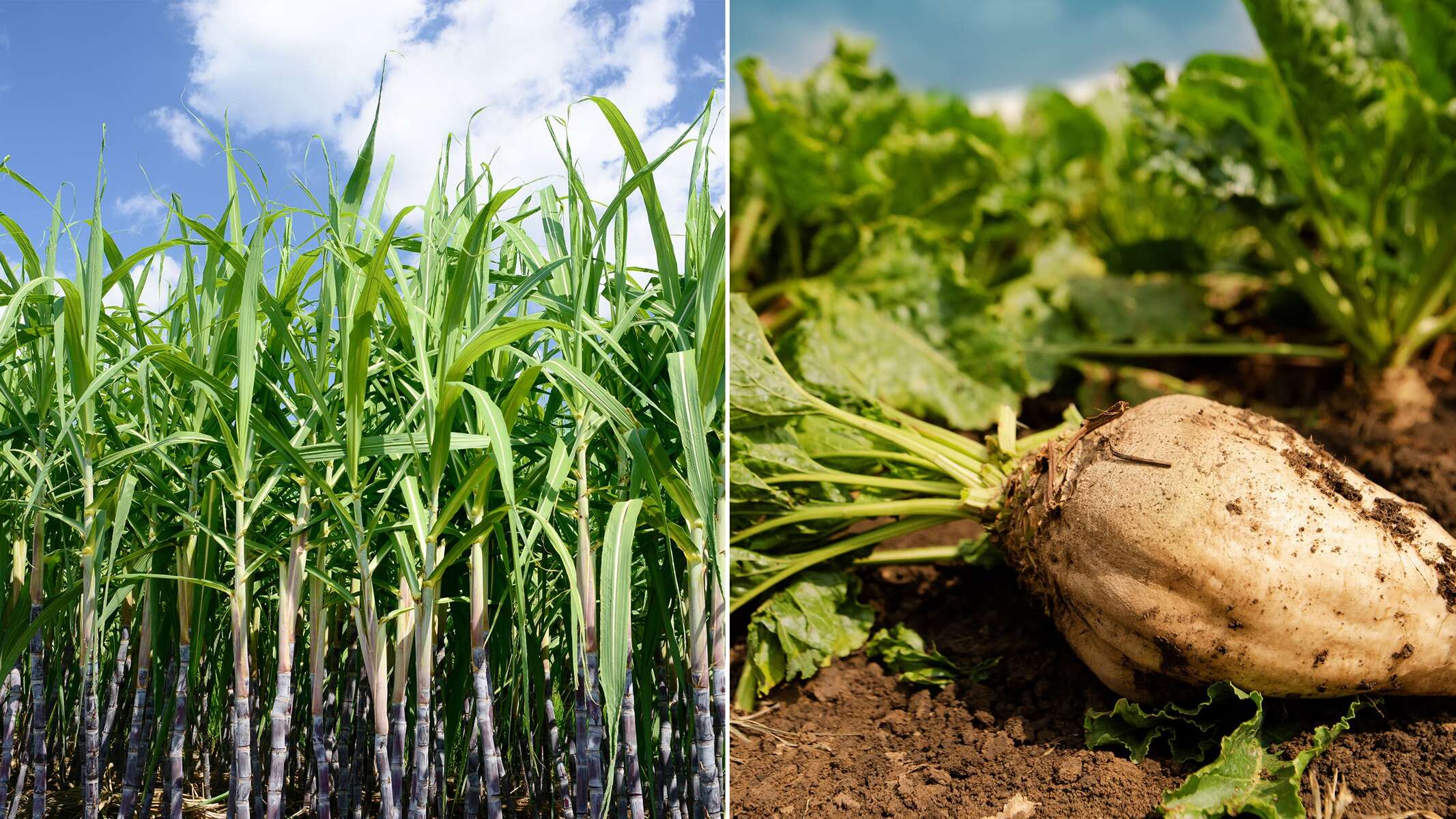
Sugar beet and sugar cane are 2 primary sources of sucrose, each grown in distinct atmospheres and possessing distinct attributes. Sugar beet, a root veggie, thrives in pleasant climates, mostly in Europe and North America. It is generally harvested in the loss and undertakes handling to remove sugar from its high sucrose material. In contrast, sugar cane is an exotic yard that flourishes in warmer areas, such as Brazil and India. Its tall stalks are collected year-round, using a constant supply of sugar.The sucrose extracted from sugar cane is commonly perceived as having a more intricate flavor account contrasted to that from sugar beet. Both resources add considerably to the international sugar market, affecting costs and schedule. As a result, comprehending their distinctions is crucial for stakeholders in agriculture, food production, and business economics, as these plants play an essential function in food systems worldwide.
Cultivation Practices and Geographic Distribution
Although both sugar beet and sugar cane are essential sources of sucrose, their cultivation practices and geographic distribution differ considerably. Sugar beet grows in pleasant environments, specifically in Europe and The United States And Canada, where its cooler growing seasons improve root growth. Farmers usually exercise crop turning and make use of advanced agricultural modern technologies to make the most of returns, favoring well-drained, fertile soils.In comparison, sugar cane flourishes in tropical and subtropical areas, with Brazil, India, and China being the leading manufacturers. Its growing needs warmer temperatures and enough rains, making irrigation important in drier locations. Sugar cane is commonly grown in monoculture systems, which can lead to soil deficiency otherwise taken care of sustainably. In addition, harvesting techniques differ; sugar cane is commonly reduced by hand or device, while sugar beet is typically collected making use of specific tools. These geographical and growing variants substantially impact the global sugar market and regional economic situations.
Handling Approaches and Production Strategies
The handling approaches and production methods for sugar beet and sugar cane highlight considerable differences that influence the last product's quality and qualities. Sugar beets undergo a straightforward process, where they are harvested, washed, and cut into thin chips prior to undergoing hot water extraction to liquify the sugar. The resulting juice is then cleared up, vaporized, and crystallized to produce granulated sugar.Conversely, sugar cane processing entails crushing the stalks to draw out juice, adhered to by a collection of heating and boiling actions. This technique includes the elimination of impurities and additional evaporation, resulting in crystallization. In addition, sugar cane handling typically emphasizes the manufacturing of molasses and bagasse, which can be utilized for power or other products.These varied approaches mirror not just the differences in the resource products yet also their ramifications for effectiveness, sustainability, and last sugar features in the marketplace.
Nutritional Profiles and Wellness Implications
An analysis of the nutritional profiles of sugar beet and sugar cane reveals distinctive distinctions in their nutrient structure. Each source offers unique wellness benefits that can affect nutritional options. Recognizing these variants is necessary for making informed choices concerning sugar consumption and overall health and wellness.
Nutrient Composition Contrast
Nutritional accounts of sugar beet and sugar cane expose distinctive distinctions that can influence health end results. Sugar beetroots contain greater degrees of vital nutrients such as fiber, potassium, and magnesium, which add to gastrointestinal wellness and cardiovascular function. On the other hand, sugar cane primarily provides sucrose, with marginal nutritional worth beyond power provision. The fiber material in sugar beets help in managing blood sugar degrees, while sugar cane lacks this benefit. Additionally, sugar beets have a reduced glycemic index contrasted to sugar cane, which might be beneficial for individuals handling blood sugar. These variations in nutrient structure underscore the significance of considering the resource of sugar, particularly for those conscious of their dietary options and total well-being.
Health And Wellness Conveniences Overview
Wellness advantages stemmed from sugar beet and sugar cane usage vary significantly because of their varying dietary accounts. Sugar beetroots are abundant in crucial nutrients, consisting of dietary fiber, vitamins, and minerals, particularly folate and potassium. This make-up can sustain digestion wellness, boost cardiovascular feature, and aid in blood sugar regulation. On go to this website the other hand, sugar cane mainly supplies a source of carbohydrates and energy, with less minerals and vitamins. Nonetheless, it has anti-oxidants, which might aid battle oxidative tension and swelling. Sugar beet vs sugar cane. The wellness ramifications of taking in these sugars likewise rely on their kinds-- whole foods versus improved sugars-- impacting general benefits. Inevitably, small amounts is vital, as excessive consumption of either can result in wellness concerns, highlighting the importance of well balanced usage
Financial Effect On Neighborhood and Worldwide Markets
Although both sugar beet and sugar cane function as vital sources of sugar, their economic impacts on local and worldwide markets vary significantly. Sugar cane mostly thrives in exotic climates, making it a staple in countries like Brazil and India, where the agricultural infrastructure is greatly geared towards large ranches. This adds to substantial export revenues and job opportunity in these areas. Alternatively, sugar beet is commonly grown in temperate zones, particularly in Europe and North America, where its manufacturing supports local economic situations through smaller-scale farming and handling industries.The worldwide sugar market is affected by tariffs, trade contracts, and aids, which can prefer one kind of sugar over the other. Fluctuations in rates additionally affect both regional farmers and global markets, causing differing financial security in regions dependent on sugar production. Subsequently, the financial landscape formed by sugar beet and sugar cane is complex and diverse, mirroring more comprehensive agricultural trends.
Environmental Factors To Consider and Sustainability
The ecological factors to consider bordering sugar beet and sugar cane manufacturing highlight considerable distinctions in land usage, water intake, and carbon footprints. Recognizing these variables is essential for evaluating the sustainability of each plant. The influences of cultivation practices on ecosystems and sources have to be meticulously examined to inform future agricultural choices.
Land Usage Impacts
When reviewing the land usage influences of sugar beet and sugar cane growing, it comes to be evident that each crop presents unique environmental factors to consider and sustainability challenges. Sugar beet, commonly grown in pleasant areas, typically calls for considerable land conversion in locations formerly utilized for varied crops, possibly leading to lowered biodiversity. On the other hand, sugar cane is primarily grown in exotic areas, where its extensive land requirements can bring about logging and environment loss. In addition, sugar cane areas may displace food crops, raising concerns regarding food security. Both crops add to dirt deterioration through monoculture techniques, view it now demanding sustainable farming methods. Eventually, the land use ramifications of both sugar beet and sugar cane cultivation underscore the need for balance in between financial viability and ecological stewardship.
Water Intake Differences
Water consumption stands for an essential consider evaluating the sustainability of sugar beet and sugar cane manufacturing. Sugar cane usually requires substantially extra water than sugar beet, largely due to its growth problems in exotic settings where watering is often necessary. Conversely, sugar beet is mainly cultivated in warm regions and usually relies much more on rainfall, making it less based on substantial irrigation systems. This distinction in water use influences local water resources and can lead to issues over water scarcity. The performance of water use in sugar beet farming usually results in reduced general water impacts contrasted to sugar cane. Understanding these variations is important for assessing the ecological ramifications and sustainability of these 2 sugar resources.
Carbon Footprint Analysis
Assessing the carbon impact of sugar beet and sugar cane production is crucial for comprehending their total ecological impact. Sugar beet farming normally leads to a lower carbon impact compared to sugar cane, mainly as a result of the reduced dependence on fossil gas for processing and transportation. Additionally, sugar beet is frequently expanded in pleasant environments, reducing the demand for comprehensive irrigation and lowering greenhouse gas exhausts. In contrast, sugar cane farming typically includes greater energy consumption, particularly in tropical areas, where cultivation and handling can be resource-intensive. Land-use changes connected with sugar cane development can worsen carbon emissions. Ultimately, both crops present unique sustainability challenges that have to be dealt with to decrease their environmental footprint in the international sugar market.
Future Patterns in the Sugar Market
Exactly how will the sugar industry develop in the coming years? Sector experts predict several transformative patterns shaping its future. A substantial change towards sustainability is expected, driven by increased customer awareness and regulative stress. This will likely result in boosted investments in environmentally friendly production approaches, benefiting both sugar beet and sugar cane growers.Additionally, technological developments, such as precision agriculture and biotechnology, are anticipated to enhance plant returns and minimize resource usage. The sector may likewise see a rise in alternative sweeteners, as consumers increasingly seek healthier options.Moreover, the global need for sugar is projected to change, influenced by transforming dietary choices and financial conditions. As countries implement more stringent sugar taxes, suppliers will need to adapt their strategies to stay affordable. In general, the sugar sector shows up poised for significant advancement, highlighting sustainability and innovation in action to market dynamics.
Frequently Asked Concerns
What Are the Main Differences in Preference In Between Sugar Beet and Sugar Cane?
The primary distinctions in taste in between sugar beet and sugar cane can be refined. Sugar cane is commonly called having a richer, extra complex taste, while sugar beet often tends to be rather click to find out more milder and much less fragrant.
Exactly How Do Sugar Beet and Sugar Cane Affect Cooking Recipes In A Different Way?
The distinctions in between sugar beet and sugar cane in cooking dishes largely lie in their moisture web content and taste profiles - Sugar beet vs sugar cane. Sugar cane often enhances caramelization, while sugar beet has a tendency to produce a more neutral sweetness
Can Sugar Beet and Sugar Cane Be Made Use Of Mutually in Cooking?
Sugar beet and sugar cane can often be used reciprocally in food preparation; however, refined differences in flavor and appearance may influence the final result of dishes, relying on the specific recipe and preferred results.
What Are the By-Products of Processing Sugar Beet and Sugar Cane?
The byproducts of processing sugar beet include molasses, pet feed, and biofuels, while sugar cane processing returns bagasse, molasses, and ethanol (Sugar beet vs sugar cane). Both plants add significantly to numerous sectors beyond sugar production
Just How Do Sugar Beet and Sugar Cane Contribute to Biofuel Production?
Sugar beet and sugar cane serve as considerable sources for biofuel manufacturing. Their deposits, after sugar removal, can be transformed into bioethanol, contributing to renewable resource campaigns and reducing reliance on fossil gas in different areas.